Which Exterior Improvements Actually Return Your Money
Before you spend another dollar on your home’s exterior, it helps to know which projects actually pay you back and which ones just look nice. Not every improvement carries the same weight when it comes time to sell, and some of the most popular upgrades barely move the needle on resale value. This guide breaks down the exterior projects that consistently deliver strong returns, so you can prioritize your budget wisely. Whether you are planning to sell soon or just want to protect your investment, understanding real return on investment numbers will help you spend smarter.
Roof Replacement and Repair Value
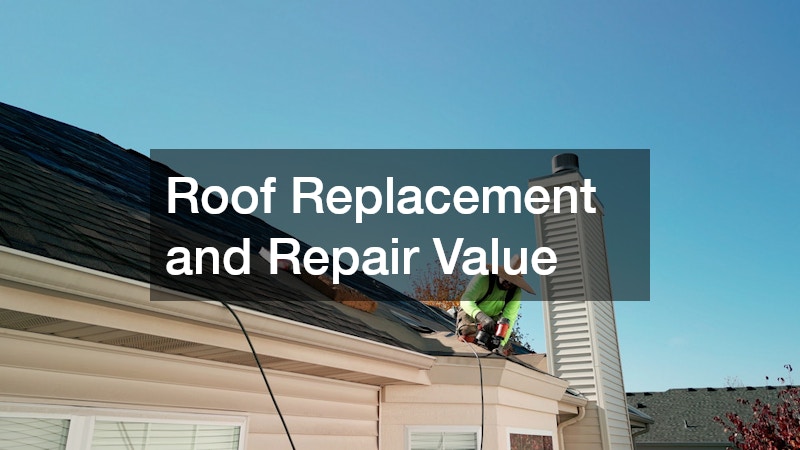
A new or well-maintained roof is one of the first things buyers and appraisers notice, and it consistently ranks among the highest-returning exterior projects nationally. Replacing an aging roof before it starts leaking prevents cascading damage to insulation, drywall, and framing, which protects the rest of your home’s value. Hiring a qualified residential roofing contractor to assess your roof’s remaining lifespan is a smart first step, since they can often patch minor issues rather than push an unnecessary full replacement.
When budgeting, remember that material choice matters as much as labor. Architectural shingles cost more upfront than basic three-tab shingles but last longer and often return more value at resale because buyers perceive them as higher quality.
- Get at least two inspections from a licensed residential roofing contractor before committing to major repairs
- Ask about warranty transferability, since buyers value roofs still under coverage
- Replace flashing and vents during a re-roof rather than waiting for a separate repair
- Keep receipts and photos documenting the work for future resale disclosures
Landscaping and Curb Appeal Upgrades
Curb appeal sets the tone before a buyer ever walks through the front door, and thoughtful landscaping remains one of the most cost-effective ways to boost perceived value. Simple updates like fresh mulch, trimmed shrubs, and defined garden beds can return a surprising percentage of their cost, often more than expensive hardscaping projects. The key is proportion: a modest, well-maintained yard photographs better and feels more inviting than an overly elaborate design that looks high-maintenance.
Homeowners often overinvest in exotic plants or elaborate irrigation systems that do not match the neighborhood’s expectations. Instead, focus on foundational elements that any buyer would appreciate, such as healthy lawns, mature trees, and clean walkways, since these read as low-effort upkeep rather than a future burden.
- Add layered plantings near the entryway to draw the eye toward the front door
- Replace dead or overgrown shrubs rather than trying to salvage them
- Install low-voltage lighting along walkways for both safety and evening appeal
- Keep lawn edges crisp, since this small detail signals overall home care
Exterior Painting and Siding Refresh
A fresh coat of exterior paint is often cited as one of the highest percentage-return projects because it costs relatively little but transforms the entire look of a house. A full repaint typically runs $3,000 to $6,000 depending on square footage and siding material, yet appraisers and agents consistently point to it as one of the few upgrades that can return well over 50-100% of its cost by boosting curb appeal and perceived maintenance quality.
Neutral, timeless colors tend to perform best with buyers, while bold or trendy shades can actually narrow your buyer pool. Soft grays, warm whites, and muted greiges are safe bets because they photograph well and appeal across design tastes, whereas dark navy trim or bright accent doors can be polarizing depending on the neighborhood. Sticking close to what’s already common on your block also helps the house avoid feeling out of place.
Siding repair or replacement carries a similar logic, since damaged or outdated siding signals neglect even if the structure underneath is sound. Fiber cement replacement, for instance, has ranked among the top return-generating projects in national cost-versus-value reports, often recovering 80-90% of its cost at resale. Even when full replacement isn’t necessary, patching cracked panels, replacing warped boards, and power-washing built-up grime can meaningfully shift a buyer’s first impression for a fraction of the price.
- Choose fiber cement or vinyl siding for durability if a full replacement is needed; fiber cement lasts 30-50 years and handles fire and pests better, while vinyl costs less upfront and needs virtually no maintenance
- Pressure wash siding annually to prevent mildew buildup before it requires repainting, using a low-pressure setting (1,200-1,500 PSI) to avoid stripping paint or forcing water behind panels
- Repaint trim and shutters even if the main siding color stays the same, since contrast details matter and buyers notice crisp edges around windows, doors, and rooflines
- Stick to neutral, timeless siding colors like gray, beige, or white for resale, saving bolder accent colors for the front door or shutters
- Avoid painting over unresolved moisture issues, which will resurface quickly as bubbling, peeling, or wood rot within a year or two
- Get quotes for both a full repaint and a professional pressure wash plus touch-up, since the cost gap can be significant and repainting isn’t always necessary
Driveway and Walkway Surface Maintenance
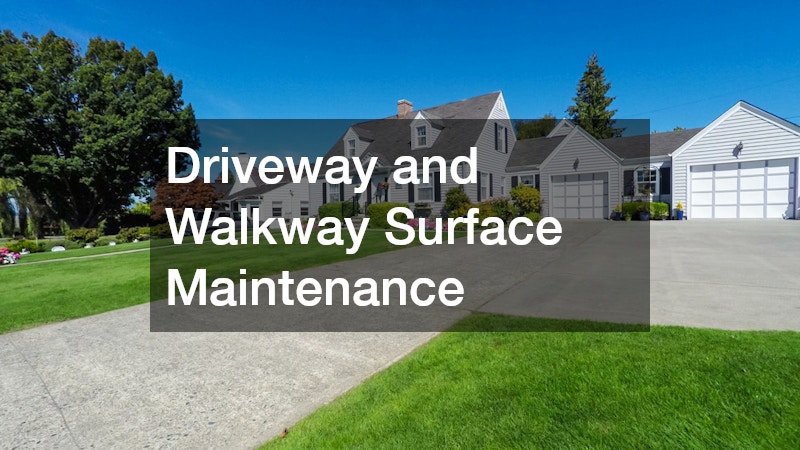
Cracked concrete, uneven pavers, or a stained driveway can undercut an otherwise attractive exterior, so keeping these surfaces clean and structurally sound protects your home’s first impression. Regular cleaning is often overlooked, yet a working pressure washer repair routine can extend the life of concrete and paver surfaces by removing embedded grime before it causes deterioration. If your equipment starts losing pressure or leaking, addressing a pressure washer repair early is far cheaper than replacing the whole unit or resurfacing the driveway prematurely.
Beyond cleaning, sealing concrete every few years prevents water infiltration that leads to cracking in freeze-thaw climates. Homeowners in colder regions should pay particular attention to this maintenance cycle, since driveway repairs are among the pricier surprises during a home sale negotiation.
- Seal concrete driveways every two to three years depending on climate
- Fill hairline cracks promptly before winter freeze cycles widen them
- Schedule pressure washer repair at the first sign of inconsistent spray patterns
- Consider stamped or stained concrete for a higher-end look without full replacement cost
Garage Door Replacement Return
Garage door replacement consistently ranks near the top of national cost-versus-value reports, often recouping close to or more than its full cost. A new garage door improves both curb appeal and functionality, and buyers notice immediately if an old door is dented, noisy, or mismatched with the home’s style. Because the project is relatively quick and inexpensive compared to other exterior work, it offers one of the best returns per dollar spent.
- Match the garage door style to your home’s architecture for the strongest visual impact
- Choose insulated doors if your garage is attached to living space
- Upgrade to a quieter opener system at the same time to add functional value
- Keep the door’s color coordinated with trim rather than the main siding
Outdoor Living Space Additions
Decks, patios, and outdoor kitchens have grown in popularity, and moderately sized additions tend to return a solid portion of their cost, especially in warmer climates where outdoor living is used year-round. A simple wood or composite deck often outperforms more elaborate structures in terms of return percentage, since buyers appreciate functional space without excessive upkeep. Composite decking, while pricier upfront, appeals to buyers who want to avoid the recurring maintenance associated with staining and sealing hardwood.
If you are considering hardwood for a deck or outdoor structure, weigh the maintenance commitment against the visual warmth it provides. Hardwood species like ipe or cedar age beautifully and can be a selling point in listings that emphasize natural materials, but they require more frequent care than composite alternatives.
- Size decks appropriately for the lot, since oversized structures can look disproportionate
- Choose pressure-treated lumber or composite for budget-conscious durability
- Add railings and lighting to make the space feel finished and safe
- Weigh hardwood’s aesthetic appeal against its ongoing maintenance demands
Entry Door and Window Upgrades

Replacing an entry door, particularly with a steel or fiberglass model, is another project that regularly appears near the top of return-on-investment rankings. It is a small, visible change that immediately signals security and updated style. Window replacement, while a larger investment, also pays back well because it improves energy efficiency, which is increasingly a selling point buyers ask about directly.
- Choose energy-efficient glazing to reduce utility costs and appeal to eco-conscious buyers
- Match window trim style to the home’s architectural period
- Add a storm door for extra insulation and curb appeal in colder climates
- Keep hardware finishes consistent across the front entry for a polished look
Home Systems That Influence Buyer Confidence
While not strictly cosmetic, certain behind-the-scenes systems heavily influence how buyers perceive an exterior’s overall condition and reliability. Aging plumbing that shows visible corrosion or leaks near the foundation can raise red flags, and trenchless pipe lining has become a popular way to repair damaged pipes without tearing up yards or driveways, preserving the landscaping you have already invested in. Similarly, a well-maintained heating and cooling system reassures buyers that the home has been cared for beyond just its surface appearance.
Scheduling routine maintenance keeps outdoor condenser units running efficiently and looking presentable, since a rusted or overgrown unit can drag down curb appeal despite a beautiful yard. Many homeowners rely on local HVAC companies for this seasonal tune-up, which also helps catch small issues before they become costly repairs. For homes relying on private water sources, buyers often ask about the age and condition of the well drilling work behind the property, since a properly drilled and maintained well signals reliable water quality and pressure. Replacing cracked exterior faucet fixtures and sealing gaps around utility lines also signals to buyers that the home’s hidden systems have been kept in good working order, which matters greatly to prospective buyers evaluating overall upkeep.
- Ask a plumber about pipe lining before agreeing to a full pipe replacement dig-up
- Schedule annual tune-ups to catch small mechanical issues before they show outside
- Keep condenser units clear of overgrown landscaping for both airflow and appearance
- Repair or replace worn exterior faucets and seals to show buyers the systems are current
Interior Adjacent Upgrades That Affect Exterior Value
Some improvements just inside the home still influence how buyers judge the exterior and overall property value, especially when they are visible through windows or open floor plans. Countertop replacement in a kitchen visible from an open patio or breakfast nook can tie the indoor and outdoor aesthetic together, making the whole property feel more cohesive. Similarly, epoxy flooring in garages or basements that connect directly to outdoor entry points gives a durable, clean first impression the moment a buyer steps inside from the driveway.
These adjacent spaces are often overlooked in exterior improvement planning, but they contribute to the overall walkthrough experience. A garage finished with epoxy flooring feels more like usable living space than a dusty storage area, which can influence how buyers value the whole property, not just the house itself.
- Choose countertop replacement materials that echo exterior tones like stone or wood accents
- Apply epoxy flooring in garages to create a durable, easy-to-clean surface
- Keep garage entry points well-lit to complement exterior lighting choices
- Avoid over-customizing these spaces in ways that limit broad buyer appeal
Recreational Additions and Their Real Value

Not every improvement needs to be structural to add appeal, and some homeowners look at flexible options like pool table leasing to furnish a finished basement or outdoor-adjacent game room without a large upfront purchase. While this kind of amenity will not show up in traditional appraisal formulas, it can make a home feel more move-in ready and enjoyable during showings, particularly for buyers focused on entertaining space. The key is understanding that recreational additions support lifestyle appeal rather than direct dollar-for-dollar return.
- Consider pool table leasing if you want to stage a game room without a permanent purchase
- Keep recreational spaces neutral in decor so they appeal to a wide range of buyers
- Highlight flexible-use spaces in listings as bonus rooms rather than single-purpose areas
- Balance fun additions with practical upgrades that carry stronger resale numbers
The biggest returns come from projects that protect the home’s structure and first impression, like roofing, siding, garage doors, and landscaping, while smaller comfort-driven upgrades add lifestyle value without guaranteeing a dollar-for-dollar payback. Start by addressing any deferred maintenance issues, since neglected systems can quietly erode the value of even your best cosmetic improvements. From there, prioritize the high-return projects outlined here based on your local market and timeline for selling. A little research now will help you invest your renovation budget where it truly counts.