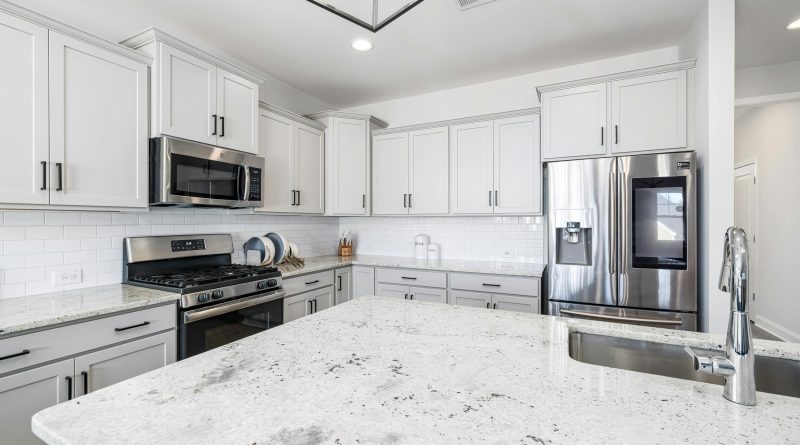
Quartz vs Granite Countertops for Flips: ROI, Cost, and Buyer Appeal
Highlights:
- Countertops are a high-impact upgrade that can boost buyer interest and perceived home value.
- Quartz is low-maintenance and popular with buyers who want modern, easy-care kitchens.
- Granite offers natural beauty and a luxury feel but requires periodic sealing.
- Quartz and granite have similar overall costs, depending on style and installation.
- Quartz often performs well in modern flips, while granite suits traditional or high-end homes.
- Buyer preferences and neighborhood trends should guide your countertop choice.
When you’re flipping a house, kitchen countertops are a huge deal—they significantly affect your bottom line. They’re a noticeable update that mixes good looks with functionality, and they really drive buyer interest and your ROI. Two of the most popular options for kitchen countertops are quartz and granite. But which one makes the most sense for your flip? Let’s break down the costs, benefits, and what buyers really want.
Why Countertops Matter in a Flip
Countertops are often the centerpiece of a kitchen, and buyers notice them immediately. The right countertop can:
- Make a kitchen feel high-end without a full remodel.
- Influence how buyers perceive the overall quality of the home.
- Affect your return on investment, especially if the style aligns with current market trends.
Investing in countertops isn’t just about making a space look good—it’s about selecting surfaces that appeal to buyers and provide a strong ROI. The best kitchen countertops combine durability, style, and functionality, giving your flip a competitive edge in the market.
Quartz vs Granite: What’s the Difference?
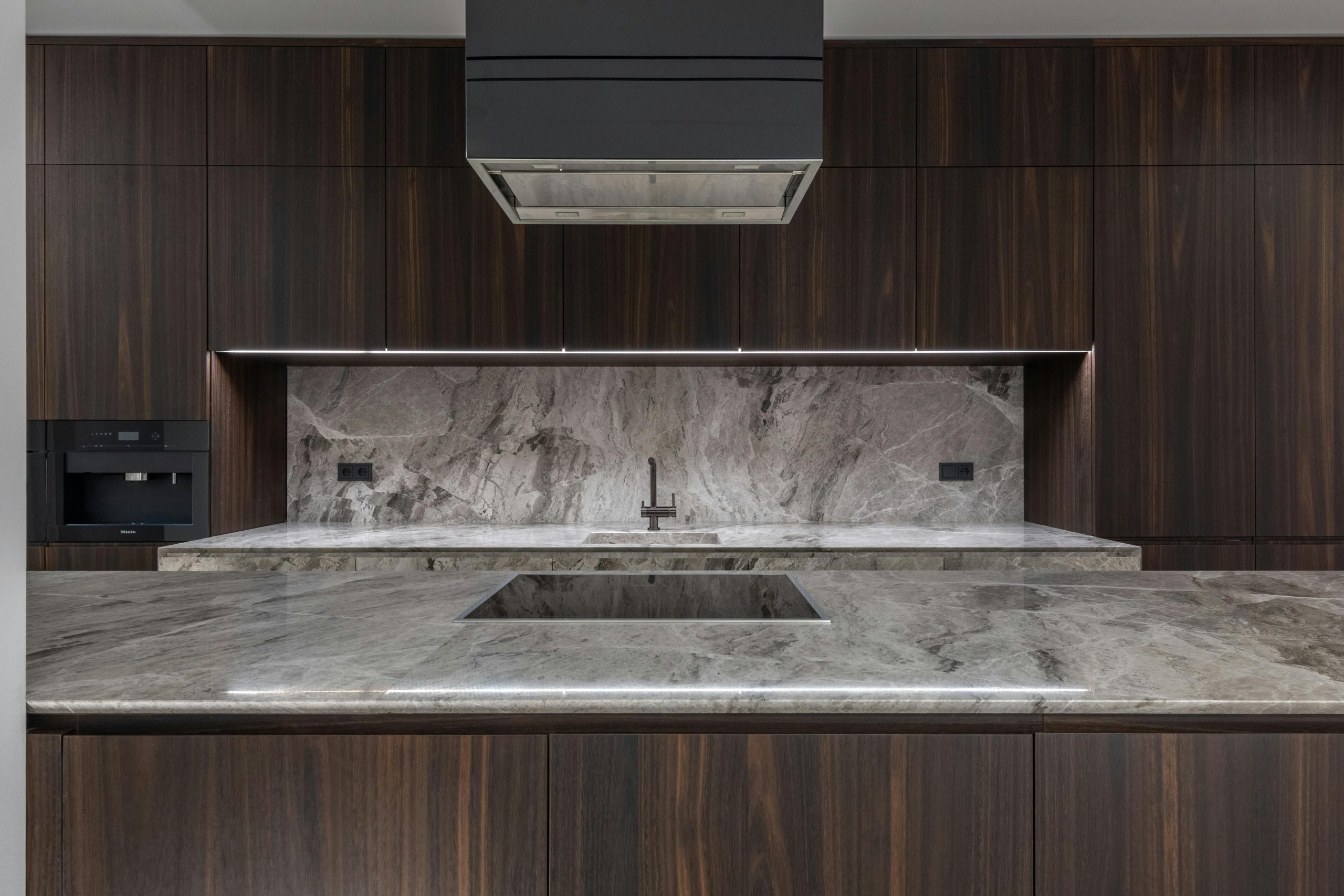
Understanding the differences between quartz and granite is the first step in deciding which is right for your flip.
Quartz Countertops
Quartz is an engineered stone, created by combining natural quartz with resins and pigments. This process gives it consistent color and pattern, making it easier to match to a kitchen design.
Pros:
- Low Maintenance: Non-porous surface resists stains and doesn’t require sealing.
- Durable: Resistant to scratches and chips.
- Consistent Look: Ideal for modern kitchens that need a uniform appearance.
- Variety: Available in colors and patterns that natural stones can’t replicate.
Cons:
- Price: Often slightly more expensive than granite depending on brand and style.
- Heat Sensitivity: Can be damaged by extreme heat, so trivets are recommended.
- Less “Natural” Feel: Some buyers prefer the organic look of natural stone.
Granite Countertops
Granite is a natural stone, quarried in slabs, and each piece is unique. Its natural veining and color variations are part of the appeal.
Pros:
- High-End Appeal: Natural patterns are attractive to buyers seeking luxury.
- Heat Resistant: Can handle hot pots and pans without damage.
- Durable: Scratch- and chip-resistant when properly sealed.
Cons:
- Maintenance: Requires periodic sealing to prevent stains.
- Inconsistent Patterns: Unique slabs can be hard to match, which can affect design consistency.
- Price Variability: Rare colors or patterns can be expensive.
How Much Do Quartz and Granite Cost for a Flip?
When planning a flip, cost is a critical factor. Here’s a rough breakdown:
| Material | Average Cost per Square Foot | Installation Cost | Notes |
| Quartz | $50 – $100 | $50 – $70 | Cost includes engineered benefits like low maintenance |
| Granite | $40 – $90 | $50 – $70 | Popular natural stone; pricing depends on rarity and color |
Keep in mind that while quartz can be slightly more expensive upfront, it may save money in maintenance and appeal to buyers who prefer low-maintenance surfaces.
Which Countertop Offers Better ROI?
ROI can vary depending on the market, kitchen style, and buyer preferences. Here’s what you need to know:
Quartz ROI
- Appeal to Modern Buyers: Clean, uniform surfaces are highly desirable in contemporary kitchens.
- Low Maintenance Selling Point: Buyers appreciate a surface they don’t have to seal or worry about staining.
- Resale Impact: Generally adds strong perceived value, especially in mid-range to upscale homes.
Granite ROI
- Luxury Perception: High-end buyers often recognize and value granite’s natural beauty.
- Trend Cycles: Granite has been popular for decades and still signals quality, but may feel dated in ultra-modern designs.
- Durability Selling Point: A sealed granite countertop can last decades, which can be a strong selling point.
Overall, quartz may slightly outperform granite in terms of ROI for most modern flips, while granite shines in luxury or classic designs.
How Buyer Preferences Affect Countertop Choice
Buyer appeal is crucial. Here’s what today’s buyers generally look for:
- Millennial Buyers: Favor low-maintenance, sleek quartz surfaces.
- Luxury Buyers: Often prefer granite or other natural stones for uniqueness and prestige.
- Practical Buyers: Appreciate durability and stain resistance, making quartz appealing.
Market Considerations
- In urban markets with smaller kitchens, quartz can make the space feel clean and modern.
- In established neighborhoods with classic designs, granite may better fit buyers’ expectations.
- Regional trends matter; always check local listings to see which countertops are trending.
Installation Tips for Flippers
Proper installation is key to maximizing ROI.
Quartz Tips:
- Ensure slabs are cut precisely for a seamless look.
- Avoid placing near open flames or stovetops.
- Use professional installers to avoid scratches or uneven seams.
Granite Tips:
- Seal the stone after installation to protect against stains.
- Match slabs carefully for large kitchens to maintain visual flow.
- Choose edges and finishes that appeal to modern buyers (e.g., eased or beveled edges).
Maintenance Considerations

Even if buyers won’t maintain the countertops during a flip, ongoing upkeep affects perceptions:
- Quartz: Wipe clean with mild soap and water; avoids harsh chemicals.
- Granite: Requires sealing every 1-2 years; stains can affect resale if neglected.
Including a maintenance guide in your staging notes or disclosure can reassure buyers.
Style and Design Impact
Countertops set the tone for the kitchen. Consider:
- Color Matching: Quartz offers consistent shades for contemporary kitchens; granite provides natural patterns for traditional or rustic designs.
- Complementary Materials: Pair quartz with stainless steel appliances and modern cabinetry; granite works well with wood tones and classic designs.
- Edge Profiles: Eased or waterfall edges appeal to buyers looking for style and sophistication.
Pros and Cons Recap
Here’s a quick side-by-side recap:
Quartz:
- Pros: Low maintenance, durable, variety of colors, modern appeal
- Cons: Slightly higher cost, heat sensitivity, less natural feel
Granite:
- Pros: Luxury perception, heat and scratch resistant, unique patterns
- Cons: Requires sealing, inconsistent patterns, may feel dated in some kitchens
Making the Right Choice for Your Flip
To decide between quartz and granite, ask yourself:
- Who is your target buyer? Modern, practical, luxury?
- What is your budget? Consider both material and installation costs.
- What kitchen style are you aiming for? Sleek modern or classic elegance?
- What resale markets are you targeting? Urban vs. suburban vs. luxury neighborhoods.
By answering these questions, you can select the countertop that will maximize buyer appeal and ROI.
The Bottom Line
Countertops are more than just a surface—they’re a major design statement. For house flips, the choice between quartz and granite depends on budget, market trends, buyer preferences, and the style of the home.
Quartz is ideal for modern kitchens and buyers who value low-maintenance, consistent surfaces. On the other hand, granite is perfect for traditional or high-end designs, offering natural beauty and perceived luxury.
Ultimately, the best countertop for your flip is the one that aligns with the market, enhances the kitchen’s appeal, and helps you achieve the highest possible return on investment.